Interactive sessions & practical learning
The ATEE 2026 workshop programme brings together practical, methodological and research-informed sessions for early-career researchers, doctoral students, teacher educators, teachers and practitioners. Each workshop offers a focused space for dialogue, collaborative learning and reflection across educational contexts.
Browse the workshops planned in each time block. Full workshop selection will be available later through the registration system.
Workshop Facilitator
University of Greater Manchester,
Bolton, United Kingdom
Workshop A
Daniela Bacová, PhD, University of Greater Manchester, Bolton, United Kingdom
Teachers are key agents in bringing about change, and their professionalism is reflected in their students’ learning, personal and academic growth, and well-being. Teachers can unlock their students’ potential and become role models long after their students have left education.
This leads to an important question: how do teachers unlock their own professional capital? How do they maintain and develop teaching that aspires to the high achievement of their students and to experiences they will always treasure? What strategies can they use to sustain their motivation and emotional and professional dedication?
One possible answer is active teacher engagement in exploratory action research situated in the context of their own classroom and school.
This workshop will offer practical, hands-on activities that guide practitioners through the stages of their own classroom research practice. Participants will discuss, share, and experience the cycle of exploratory action research through its key stages.
The workshop aims to provide practitioners with a creative, critical, and safe thinking space for collaborative reflection. It is designed to encourage participants to conduct their own action research and to connect professional inquiry with everyday teaching practice.
Workshop Facilitator
University of Warsaw,
Poland
Workshop B
Associate Professor Urszula Markowska-Manista, University of Warsaw
This workshop addresses the ethical and methodological challenges and dilemmas in research with children and young people, with a particular focus on vulnerable contexts, groups in fragile contexts. Drawing on the concept of humanising research methodologies, we will explore how participatory, decolonial, and rights-based approaches can transform research practice.
Participants will engage with a conceptual framework for conducting sensitive social research and critically examine complex ethical dilemmas through real-world case studies.
The workshop emphasises humanising methodologies - such as participatory, from below and human rights-based approaches, that integrate local and intercultural knowledge across all research stages: design, data collection, analysis, and dissemination. The workshop offers a transdisciplinary framework and introduction to practical strategies for researchers committed to humanising their practice, embracing research as an ethical commitment to social justice.
This workshop is part of the interactive workshops for early-career researchers and practitioners.
Advance registration is required. The workshops are free for registered conference participants, organised in an interactive format, and limited in capacity.
Sybir Memorial Museum,
Bialystok, Poland
Sybir Memorial Museum,
Bialystok, Poland
Workshop Facilitators
Sybir Memorial Museum,
Bialystok, Poland
Workshop C
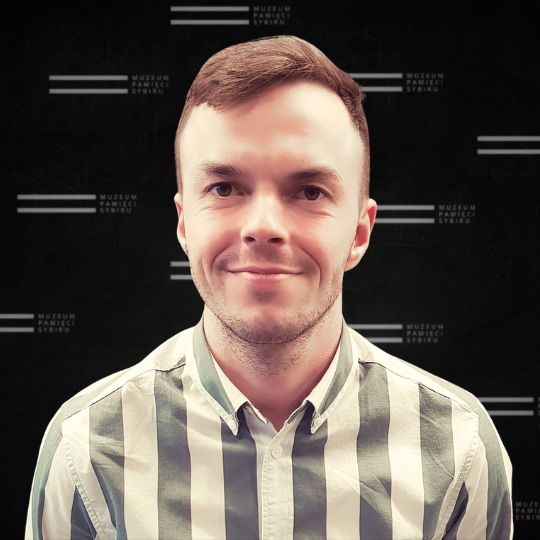
Agnieszka Glińska and Krzysztof Kulling, Sybir Memorial Museum, Bialystok
How can educators engage children and young people with themes such as war, violence, deportation, family separation, loss, and death while maintaining historical accuracy and supporting their emotional well-being? In this workshop, educators from the Sybir Memorial Museum will present the principles and methods they use when designing educational programmes for participants aged 7 to 18. While the workshop draws on the museum's experience of teaching about the Second World War, Soviet repression, and deportations, the approaches presented are universal and can be adapted to teaching difficult histories in different national and cultural contexts.
Participants will explore the key principles of teaching difficult history, including age-appropriate content selection, emotionally sensitive facilitation, and strategies for creating a safe learning environment. The presenters will demonstrate practical activities used in museum workshops for different age groups, from early primary school children to older teenagers.
Designed as an interactive and practice-oriented session, the workshop will encourage participants to reflect on the role of history education in fostering empathy, responsibility, and critical thinking. Participants will leave with practical tools and adaptable methods that can be applied in schools, museums, and other educational settings, regardless of the historical context in which they work.
This workshop is part of the interactive workshops for early-career researchers and practitioners.
Advance registration is required. The workshops are free for registered conference participants, organised in an interactive format, and limited in capacity.
Workshop Facilitator
CATT Academy,
Kraków, Poland
Workshop D
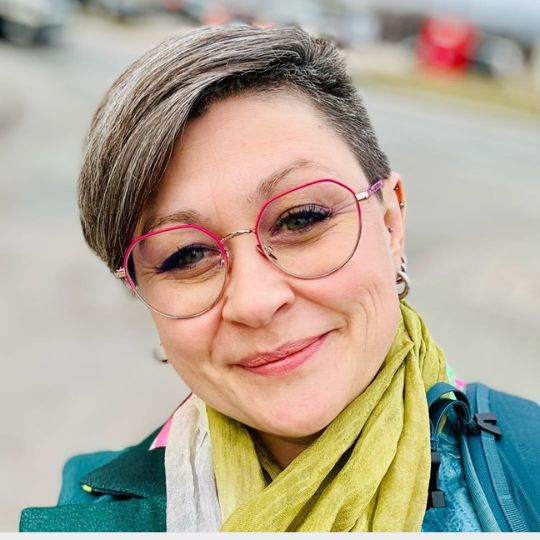
Anna Przybyło, CATT Academy, Kraków
How can teachers intentionally shape classroom culture from the very beginning of the school year? This interactive workshop introduces a practical inquiry- and project-based framework that supports the co-construction of learning communities through student agency, metacognition, and disciplinary accuracy. Participants will explore how teachers' past experiences, present practices, and future aspirations influence learning design and classroom relationships.
The session focuses on the development of a diagnostic inquiry project that can be implemented at the start of the academic year to uncover students' prior knowledge, learning beliefs, and expectations while establishing shared norms for collaboration. Through collaborative design activities and structured reflection, participants will create an adaptable project suitable for secondary and higher education contexts.
By the end of the workshop, participants will leave with a ready-to-use diagnostic project and a practical framework for designing inquiry-based learning environments that foster reflective, self-aware learners and intellectually rigorous classroom cultures. The workshop is designed for educators interested in strengthening student participation, promoting meaningful dialogue, and creating sustainable learning communities through inquiry.
This workshop is part of the interactive workshops for early-career researchers and practitioners.
Advance registration is required. The workshops are free for registered conference participants, organised in an interactive format, and limited in capacity.
Workshop Facilitator
IBDP Educator,
School Development Manager,
and Mentor
WorldLINK Foundation,
Kraków, Poland
Workshop E
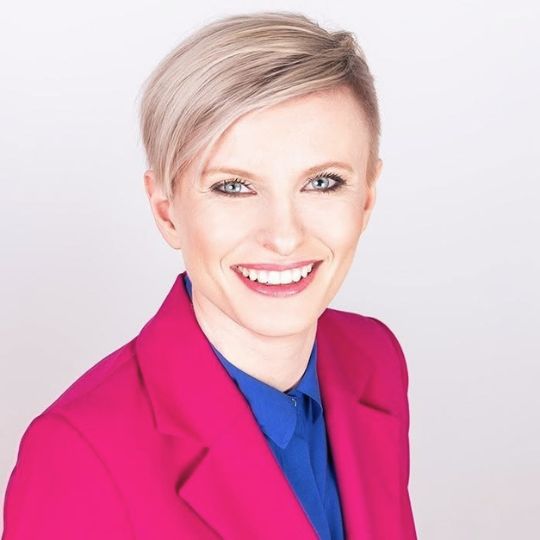
Anna Krzemińska-Kaczyńska, WorldLINK Foundation, Kraków
In an era defined by accelerating global mobility, international educational institutions operating within the WorldLINK Foundation and International Baccalaureate (IB) sectors increasingly function as complex, "border-crossing" entities where linguistic diversity and rigorous academic standards frequently intersect, occasionally generating systemic friction that compromises stakeholder well-being.
To navigate these intricate dynamics, this workshop - informed by the extensive leadership experience of Anna Krzemińska-Kaczyńska - advocates for a paradigm shift from reactive crisis management to proactive, innovative inquiry through the strategic implementation of the Harvard-refined Creative Problem Solving (CPS) framework.
Drawing on empirical insights from "Positive Audits" conducted with 380 participants across Poland and India, the session destabilizes traditional cognitive fixedness by systematically guiding academic leaders through the four-stage CPS lifecycle: clarifying latent ecosystem needs via empathetic observation, ideating inclusive solutions through divergent thinking, developing prototypes aligned with Quality Education (SDG 4), and implementing transparent communication channels.
Synthesizing foundational organizational and cognitive theories - most notably Teresa Amabile’s motivation models, Howard Gardner’s Five Minds for the Future, and contemporary Harvard Business School design thinking methodologies - this workshop demonstrates how confronting institutional challenges with "radical truth" restores educational agency. Ultimately, it provides attendees with a robust, evidence-based toolkit designed to streamline administrative friction, enhance long-term operational clarity, and foster a sustainable school culture rooted in transparency and shared institutional purpose.
In an era of increasing global mobility, educational institutions must operate as "border-crossing" entities where multilingualism and cultural diversity meet rigorous academic standards. However, the complexity of managing these environments often leads to systemic friction, affecting the well-being of stakeholders. This workshop introduces the Creative Problem Solving (CPS) methodology, pioneered and refined at Harvard University, as a strategic tool for academic leaders, department heads, faculty, and teachers to navigate these complexities.
The session focuses on shifting the educational leadership paradigm from reactive crisis management to proactive, innovative inquiry. The successful implementation of Positive Audits in two schools in Poland (130 participants) and India (250 participants) serves as empirical evidence of the method’s efficacy in delivering tangible institutional change. Participants will explore the four-stage CPS framework:
Through the lens of Anna KK’s extensive experience as a Deputy Head and IBDP manager, the workshop demonstrates how CPS fosters "Positive Audits." By confronting institutional challenges with "radical truth" and Harvard-backed structures, leaders can build workplaces rooted in transparency and shared purpose. Attendees will leave with a toolkit designed to enhance communication, streamline administrative processes, and ultimately elevate the quality of education in international settings.
Anna Krzemińska-Kaczyńska is a seasoned educational leader and teacher with a specialized focus on school development and international curricula. As a long-standing IBDP (International Baccalaureate Diploma Programme) manager, educator and mentor, she bridges the gap between academic theory and administrative practice. Her work centers on "Positive Audits" and the implementation of Harvard-based methodologies to foster high-quality, sustainable educational environments globally. She is a recipient of the Global Teacher Award and has been honored with the Medal of the National Education Commission (Medal Komisji Edukacji Narodowej), the highest distinction for educational excellence in Poland.
This workshop is part of the interactive workshops for early-career researchers and practitioners.
Advance registration is required. The workshops are free for registered conference participants, organised in an interactive format, and limited in capacity.
Givat Washington Teacher Training College
University of Bialystok
Workshop Facilitators
RDC Workshop:
Health, Environment and Sustainability Education
Workshop F
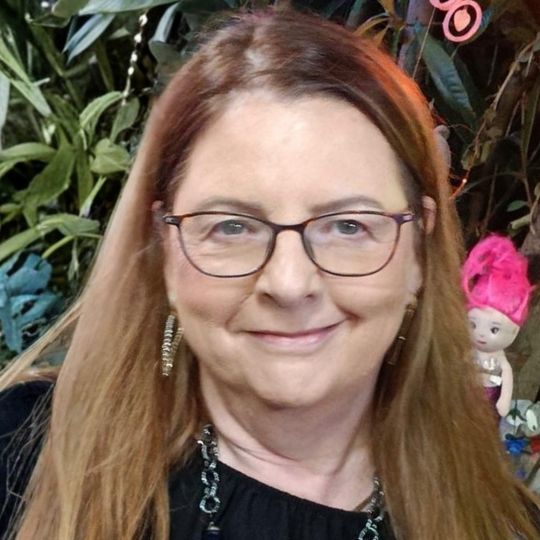
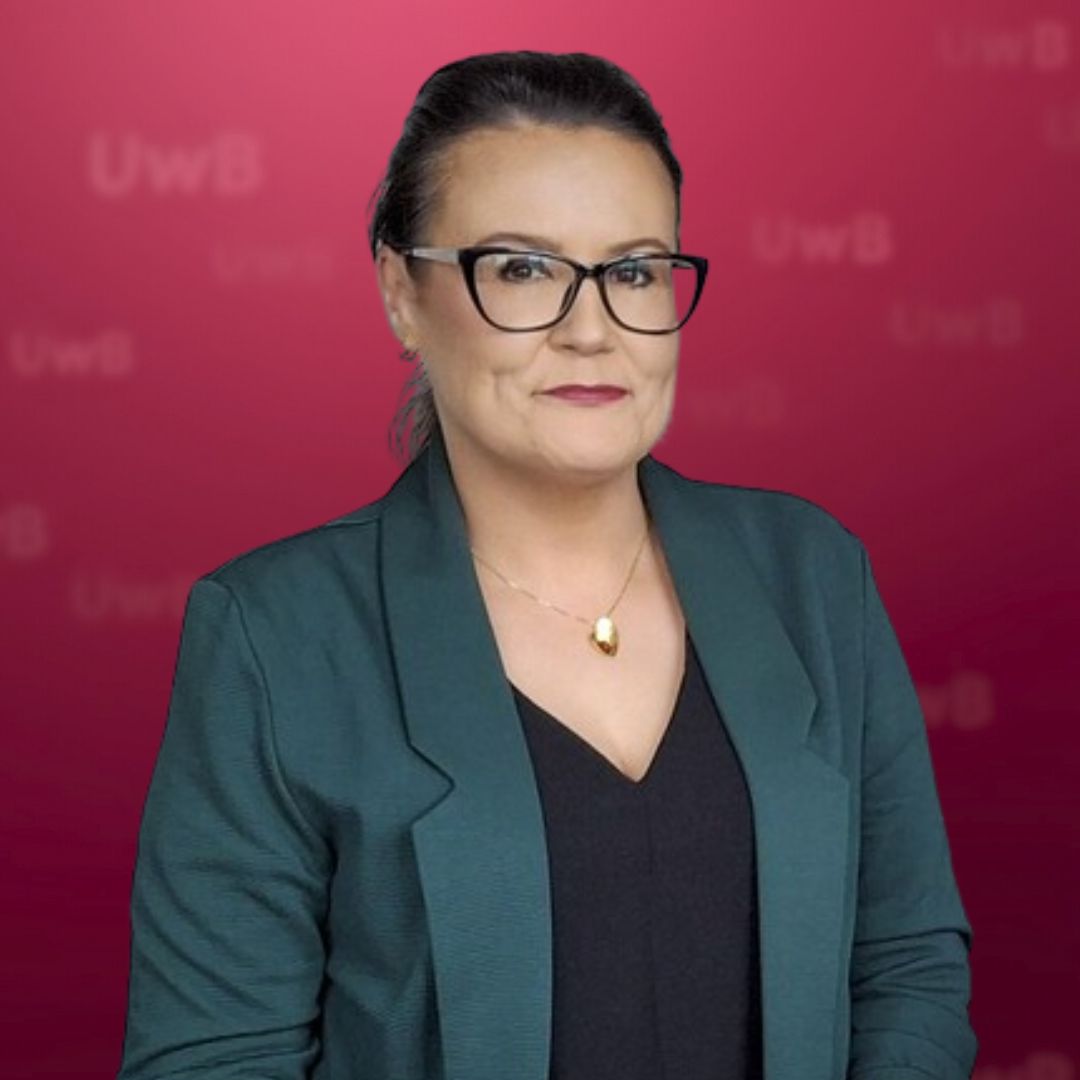
Diola Bijlhout and Eliza Krotke
This interactive workshop explores how teachers' emotional health and wellbeing are shaped by diverse educational, social, and geopolitical contexts.
Drawing on the findings of the RDC Teacher Emotional Health and Wellbeing research conducted in 2025-2026, participants will examine the impact of workplace demands, uncertainty, conflict, displacement, and environmental crises on the teaching profession.
The workshop creates a collaborative space for comparing different teaching realities and for developing practical, context-sensitive approaches to supporting teacher wellbeing.
Through collaborative activities, reflective discussions, and practical exercises, participants will compare the realities of teachers working in stable, under-resourced, crisis-affected, and conflict settings.
The workshop is intended for teachers, student teachers, teacher educators, school leaders, and educational professionals interested in promoting sustainable teacher wellbeing.
Participants will leave with practical tools, collaborative strategies, and an individual action plan that can be adapted to a wide range of educational contexts.
Workshop Facilitator
Oslo Metropolitan University,
Norway
Workshop G
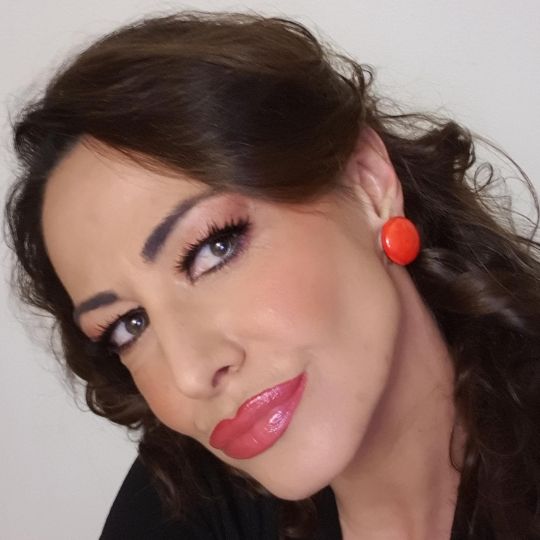
Tatjana Bru Blixen, Oslo Metropolitan University
This pre-conference workshop focuses on theoretical and methodological approaches in teacher education research, with particular emphasis on Critical Discourse Analysis (CDA) and Functional Grammar as analytical frameworks.
The workshop is designed for researchers, doctoral students, and teacher educators interested in exploring how language constructs meanings, identities, power relations, and professional practices within educational contexts.
The session will introduce key concepts and assumptions underpinning CDA and Functional Grammar, highlighting their relevance for analysing a wide range of educational data and texts.
Particular attention will be given to how these approaches can support critical and systematic analysis of language in relation to social, institutional, and pedagogical processes.
The workshop combines theoretical input with interactive discussion and collaborative analysis activities. Participants will engage with examples from teacher education research and will be invited to reflect on how these analytical frameworks may inform their own research projects and methodological choices.
Through dialogue and shared inquiry, the workshop aims to create a collaborative space for discussing the possibilities and challenges of conducting discourse-oriented research in teacher education.

MSc Child Psychology Student & Student Race Advocate,
University of Chester
Associate Professor,
University of Chester
Workshop Facilitators
University of Chester,
United Kingdom
Workshop H
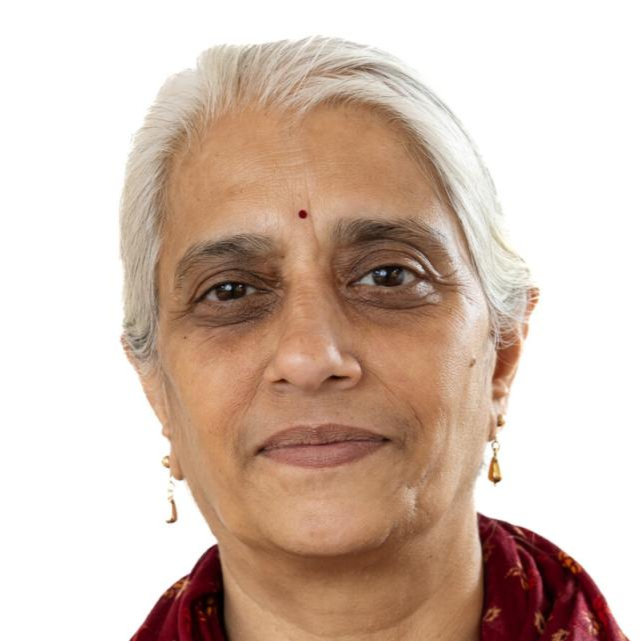
Raeesah Khan and Dr Chandrika Devarakonda, University of Chester
This interactive workshop will explore how terminology related to individuals shapes understandings of identity, diversity, inclusion, and belonging within higher education contexts.
Drawing on a theoretical perspectives paper, the session introduces the concept of the representation-homogenisation paradox to examine how collective terminology used within institutional and educational settings may simultaneously support representation while also contributing to the homogenisation of the identities such terminology aims to reflect.
The workshop will consider the tensions that emerge when institutions attempt to balance visibility, inclusivity, and administrative categorisation across increasingly diverse student populations.
Through a combination of short conceptual input, collaborative discussion, and reflective group activities, participants will critically engage with examples of terminology, diversity statements, and institutional language used within higher education.
The workshop is designed as a collaborative space for dialogue, enabling participants from diverse disciplinary and professional backgrounds to contribute perspectives from their own educational and cultural contexts.
Participants will be encouraged to consider how language may shape belonging, participation, identity visibility, and perceptions of inclusion across educational environments.
Ready to dive deeper? Navigate through the sections below to find the daily schedule, read about our keynote speakers, explore workshop details, and see what cultural tours await you.
 Governor of the Podlaskie Voivodeship
 Marshal of the Podlaskie Voivodeship
 Mayor of Białystok
 Rector of the University of Białystok
 City of Białystok
 The Sybir Memorial Museum
 AFS Poland
 WorldLINK Foundation
 Centre for Research on National and Ethnic Minorities at the University of Białystok
 Echo360
As part of our website, we use cookies stored on the user's device in order to adapt the behavior of the website to the individual preferences of the user and for statistical purposes. The user has the option to change the cookie settings in their web browser. More information can be found in the Privacy Policy. By using the website, you consent to the use of cookies, in accordance with the browser settings.