

Discover Białystok: The heart of the Green Lungs of Poland
We invite you to explore our host city – a vibrant academic centre enriched by the coexistence of many nationalities, religions, and traditions. Situated amidst forests and national parks, Białystok offers a unique blend of cultural heritage and natural beauty.

With a population of around 300,000 citizens, Białystok is the largest city in north-eastern Poland and an important administrative, cultural, academic and scientific centre for the region.
The town is enriched by the coexistence of many nationalities, religions, cultures, customs, and traditions (e.g., Poles, Belarusians, Jews, Germans, Russians, and Tatars) not always found in other parts of Poland. It is a hub of student life in the region, with three public universities and several private higher education institutions all contributing to a proud educational heritage. Moreover, Białystok is located in the region known as the Green Lungs of Poland, covered by many forests and green spaces, which give the city its clean air. The city also offers a wide variety of beautiful cultural and architectural experiences.
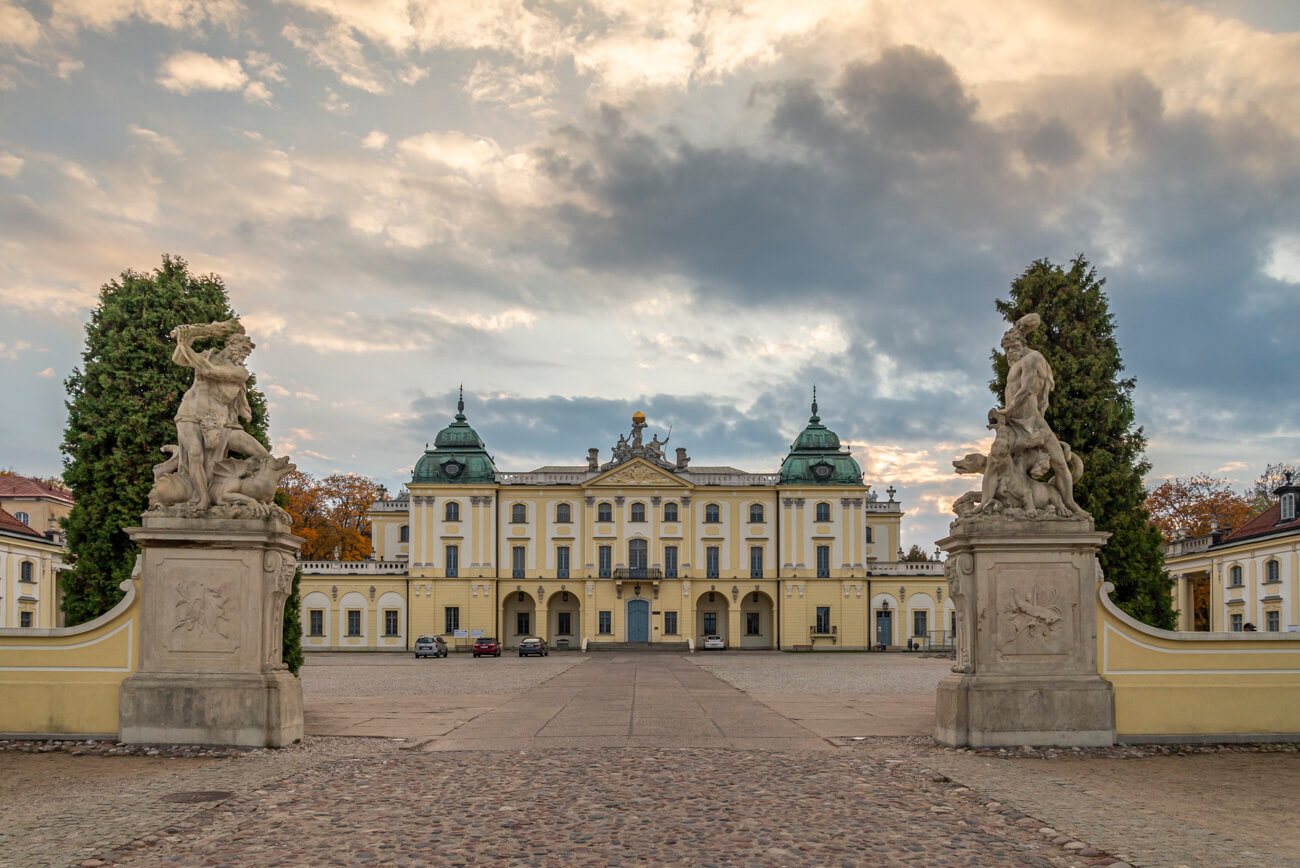
At the centre of the city is the Branicki Palace, a stunning historical site flanked by ornate gardens and pretty sculptures and pavilions, where visitors can wander freely – and which earned Białystok its nickname of the ‘Versailles of Poland’ at the time when it was built.
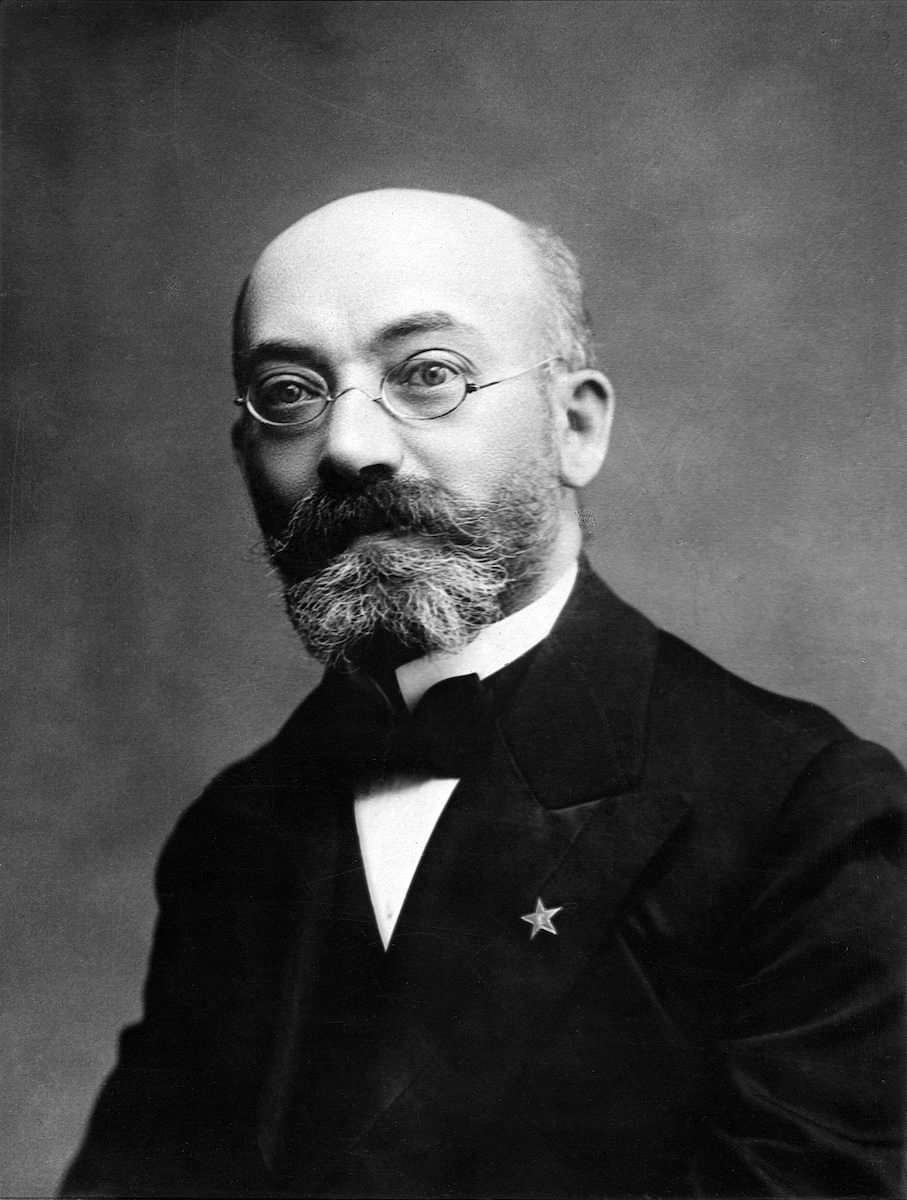
Białystok is the birthplace of Ludwik Zamenhof, the creator of Esperanto – a language project built on the belief that mutual understanding across national and cultural lines is both possible and necessary. This philosophy is perfectly captured by his famous words:
“The real borders are not between nations, but between human beings.”
This statement aligns profoundly with the mission of contemporary teacher education. It reminds us of the need to equip teachers not just with knowledge, but with the skills and values required to foster empathy, critical thinking, and cooperation in increasingly diverse classrooms and societies.
Some 100,000 to 2 million people speak Esperanto today, keeping the legacy of simple, neutral international communication alive.
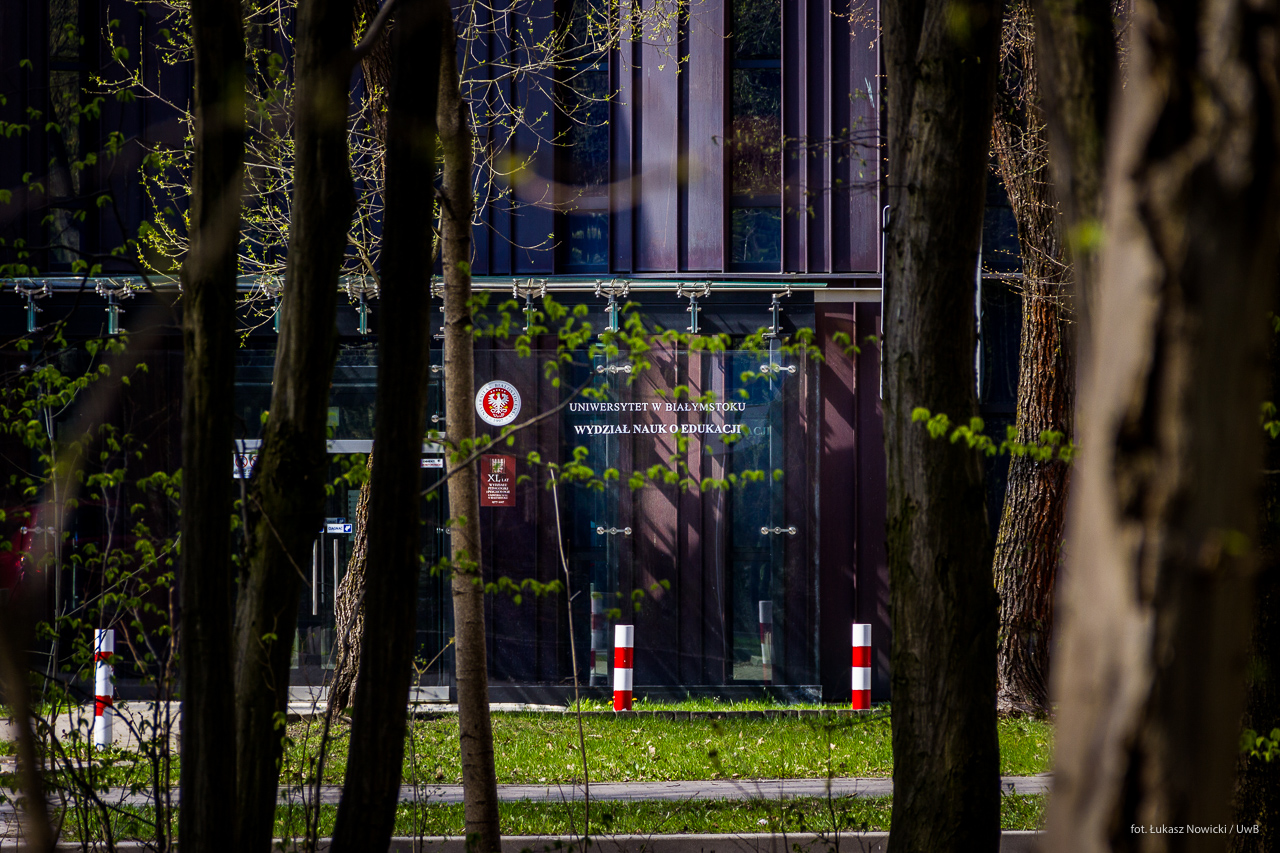
The ATEE Annual Conference 2026 will be held entirely within the modern facilities of the Faculty. The building boasts contemporary infrastructure equipped with state-of-the-art technology.
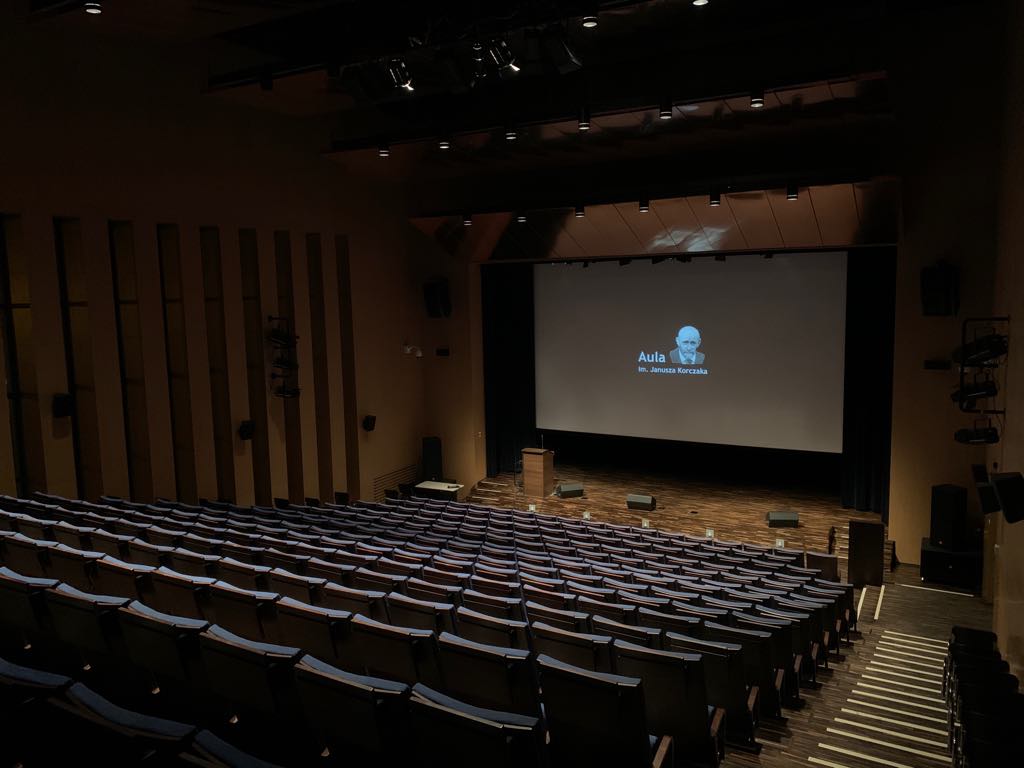
The heart of the venue is the main auditorium, designed for comfort and acoustic excellence.
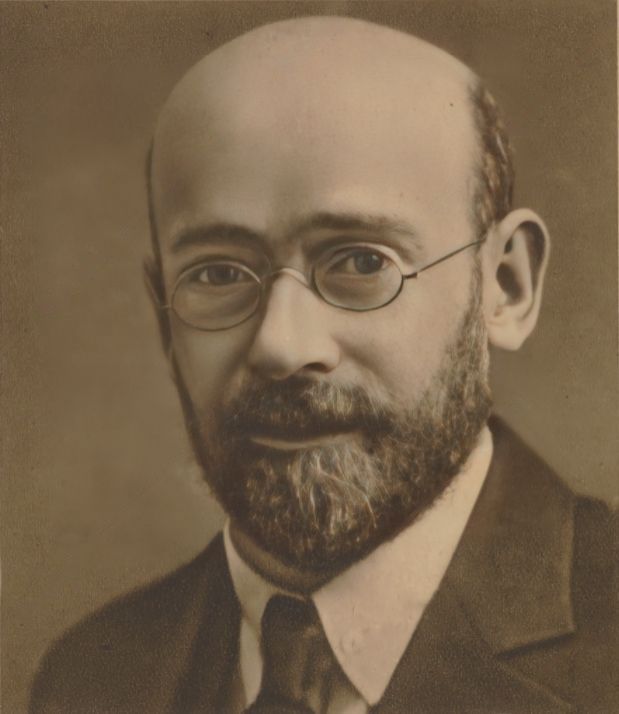
Janusz Korczak (Henryk Goldszmit) was a Polish-Jewish educator, children's author, and pediatrician known as the "Old Doctor." He introduced progressive pedagogical ideas based on the rights and dignity of the child. During World War II, despite having repeated chances to save his own life, he refused to abandon the Jewish orphans under his care. He accompanied them from the Warsaw Ghetto to the Treblinka extermination camp, where they all perished in 1942. His legacy of profound humanity and sacrifice continues to inspire educators worldwide.
“You cannot leave the world as it is.”
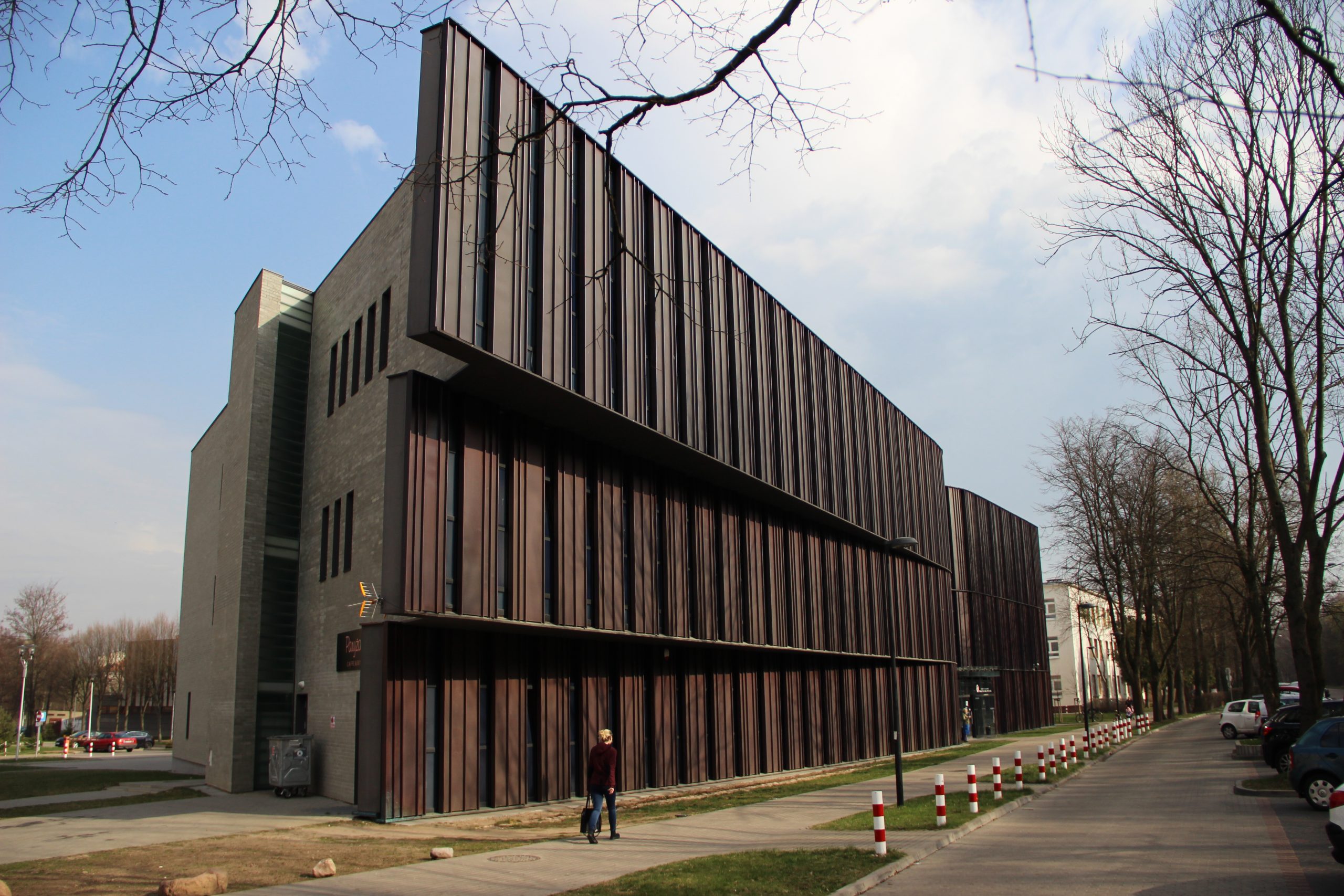
Modern architecture meeting nature at Świerkowa 20

Białystok is also home to the Sybir Memorial Museum – the only institution in the world commemorating the mass deportations, forced resettlements, and other repressions that affected Poles and people of other nationalities living in Poland (Belarusians, Lithuanians, Ukrainians, and Jews), carried out by Tsarist Russia and later the Soviet Union.
The museum’s work in preserving the memory of deportees to the Soviet Union and upholding human rights has been recognised through many awards, including: the Council of Europe Museum Prize (2024) and the European Museum Academy Luigi Micheletti Award (special commendation, 2024).

Białystok is located in one ofe the most unique natural regions of Europe, close to the famous Białowieża Forest. This primeval forest, a UNESCO World Heritage Site, is one of the last and largest remaining fragments of old-grwoth forest on the continent. It is home to extraordinary biodivesity, including the iconic European bison. Conference participants will have a unique opportunity to experience both a vibrant academic event and the exceptional natural heritage of the region.
Explore Tours (Coming Soon)Looking for more practical details? Explore the sections below to find information about accommodation, transport, and local tips.
 Governor of the Podlaskie Voivodeship
 Marshal of the Podlaskie Voivodeship
 Mayor of Białystok
 Rector of the University of Białystok
 City of Białystok
 The Sybir Memorial Museum
 AFS Poland
 WorldLINK Foundation
 Centre for Research on National and Ethnic Minorities at the University of Białystok
 Echo360
As part of our website, we use cookies stored on the user's device in order to adapt the behavior of the website to the individual preferences of the user and for statistical purposes. The user has the option to change the cookie settings in their web browser. More information can be found in the Privacy Policy. By using the website, you consent to the use of cookies, in accordance with the browser settings.